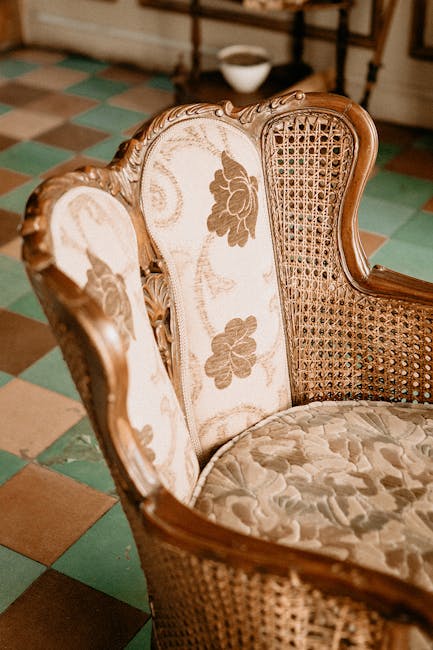
Strawberry Hill upholstery cleaning tips for period homes
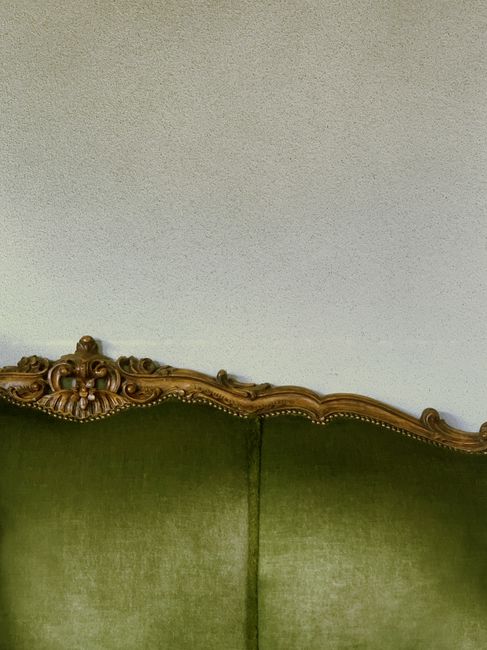
Period homes in Strawberry Hill have a charm that is hard to fake: carved wood, tall sash windows, worn-in brass, and upholstery that seems to carry the personality of the whole room. But that character also makes cleaning a bit more delicate than in a modern flat. The wrong spray, too much moisture, or one enthusiastic scrub can leave a mark that feels permanent. If you are looking for Strawberry Hill upholstery cleaning tips for period homes, this guide walks you through what actually works, what to avoid, and how to clean in a way that respects older fabrics, original fixtures, and the quirks of historic interiors.
Whether you are caring for a Victorian armchair, an Edwardian sofa, or a more recent piece living in an older property, the goal is the same: remove dust, spills, and odours without stripping away patina or damaging fragile fibres. Let's keep it practical. A little careful routine goes a long way.
Why Strawberry Hill upholstery cleaning tips for period homes Matters
Period homes are less forgiving than modern builds in a few quiet, annoying ways. Fabrics may be older, fillings can be more vulnerable, ventilation can be uneven, and the room itself may have original details that react badly to excessive damp. In a house with heritage features, even routine upholstery cleaning needs a bit more thought.
In Strawberry Hill, many homes have layered histories. That usually means a mix of antique chairs, inherited sofas, reproduction pieces, and family favourites that have been re-covered over time. Cleaning all of that with the same method is asking for trouble, to be fair. A velvet seat, a wool blend sofa, and a linen side chair do not all want the same treatment.
Cleaning matters for more than appearances. Dust build-up can dull the look of fabrics, trap odours, and make a room feel heavier. Spills left alone can travel into the backing or stuffing, where they are harder to remove later. And in older homes, humidity and poor airflow can slow drying, which raises the risk of musty smells and water marks.
There is also the preservation angle. Period furniture often lasts because someone before you looked after it with care. Thoughtful cleaning protects that continuity. It helps the piece keep its shape, texture, and comfort, not just its colour.
Expert summary: In period homes, upholstery cleaning should always start with fabric identification, dry soil removal, and careful moisture control. That one approach prevents most avoidable damage.
How Strawberry Hill upholstery cleaning tips for period homes Works
Good upholstery cleaning in an older home follows a simple logic: understand the fabric, test first, use the least aggressive method that will do the job, and dry thoroughly. Sounds obvious. Still, the mistakes happen when people skip the boring first step and go straight in with a stain remover.
Here is the practical sequence most sensible cleaners follow:
- Identify the fabric and construction. Check whether it is cotton, wool, linen, silk, velvet, viscose, leather, or a blended textile. Also look at piping, trims, buttons, and any loose stitching.
- Vacuum dry soil first. Dust, grit, and pet hair should come off before any wet cleaning begins.
- Test in a hidden area. A small patch at the back or underneath can show whether colour runs or the texture changes.
- Use the right cleaning action. Some materials prefer dry foam or low-moisture methods; others can tolerate a careful water-based clean.
- Control the amount of moisture. In period properties, less is often better. Over-wetting can soak into the stuffing and take ages to dry.
- Blot, do not rub. Rubbing distorts fibres and can spread a stain wider.
- Dry with airflow. Open windows where appropriate, improve circulation, and avoid putting heat too close to the fabric.
The key thing is that cleaning upholstery in a period house is not really about one magic product. It is about restraint. A careful, methodical clean usually gives the best result, and the least drama afterwards.
For homeowners who want help with larger or more delicate jobs, a broader upholstery cleaning service can be useful, especially where several pieces need attention at once. If the whole room is being refreshed, some people also pair it with carpet cleaning so the upholstery does not look newly cleaned next to tired flooring. That contrast is more obvious than people expect.
Key Benefits and Practical Advantages
When upholstery is cleaned properly in a period home, the benefits show up in small but noticeable ways. The room smells fresher. Colours look less greyed out. Cushions sit better. Dust settles less heavily. None of that sounds dramatic, but a room can feel transformed by those little gains.
- Better fabric appearance: Dust and body oils can make woven fabrics look older than they are.
- Longer upholstery lifespan: Gentle maintenance reduces wear from grit and residue.
- Improved indoor freshness: Especially helpful where rooms are closed up for long periods.
- Lower risk of permanent staining: Treating spills early makes a big difference.
- Protection for delicate trim and stuffing: Careful methods reduce shrinkage and distortion.
- More comfortable living spaces: Clean upholstery simply feels better to use, no question.
There is another advantage people overlook: confidence. Once you understand what your furniture can handle, you stop second-guessing every speck and spill. That makes upkeep easier and less stressful. And honestly, that matters in a busy house.
Who This Is For and When It Makes Sense
This advice is for anyone living in or caring for a period property in Strawberry Hill who wants upholstery to stay presentable without risking damage. That includes homeowners, landlords, tenants, and people looking after inherited pieces or furnished holiday homes.
It makes particular sense if you are dealing with:
- antique or vintage upholstered chairs
- sofas with delicate covers or decorative trims
- family heirloom furniture that cannot easily be replaced
- pet-related odours or frequent everyday soiling
- rooms with less ventilation than a modern property
- fabrics that look clean but smell stale
It also makes sense before events, after building work, or when a room has become visibly tired. If you have just had decorators in, for example, fine dust can settle into woven fabric in a way that no one notices at first. Then you sit down on the sofa and suddenly it all becomes obvious. Funny how that happens.
For larger homes or properties with multiple soft furnishings, it may be worth looking beyond the sofa alone. Services such as sofa cleaning, curtain cleaning, and even rug cleaning can be part of the same maintenance plan, especially where dust moves around the room rather than staying in one place.
Step-by-Step Guidance
If you want a sensible routine rather than guesswork, follow this process. It is straightforward, but the order matters.
1. Start with a fabric check
Look for care labels if they still exist, and inspect the item closely. Check for fading, loose threads, worn seams, or areas where the fabric has thinned. If a piece has been reupholstered, do not assume the original care rules still apply. Sometimes a modern cover is hiding on an antique frame, which changes everything.
2. Remove loose dust and grit
Use a vacuum with a soft brush attachment. Work slowly. Pay attention to seams, buttons, piping, and the gap between seat cushions and arms. These are the places where grit gathers and quietly does the most damage.
3. Spot test any product
Choose a hidden spot and apply a small amount of your intended cleaner. Wait for drying. If you see colour transfer, stiffening, water marks, or a changed texture, stop there and choose a safer method.
4. Deal with stains individually
Fresh spills should be blotted with a clean, white cloth. Avoid colour-printed towels that might transfer dye. For older stains, work carefully from the outside in so you do not spread the mark further. If the stain is stubborn, a specialist stain treatment is safer than aggressive scrubbing. For more targeted problem areas, stain removal support can be useful, especially when the mark has already set.
5. Choose the lowest-moisture method that works
Dry foam, light shampooing, or low-moisture extraction may suit some upholstery, while others need a more conservative approach. In period homes, avoid soaking the fabric. A damp patch that looks harmless can turn into a lingering ring once it dries.
6. Dry properly
Open windows if weather and security allow, turn on circulation, and give the piece space. Do not push it back against a cold wall or cover it too soon. Full drying is not a finishing touch. It is part of the cleaning.
7. Finish with a final inspection
Check seams, colour evenness, odour, and texture once the upholstery is dry. A soft brush can restore the pile on velvet or brushed fabrics. Small final adjustments often make the difference between acceptable and genuinely good.
Expert Tips for Better Results
Here is where a bit of practical judgement helps. Most damage does not come from one dramatic mistake. It comes from a series of slightly overconfident little ones.
- Use minimal product: More cleaner does not mean more clean. It often means more residue.
- Work in daylight if possible: You will see marks, texture changes, and missed dust more clearly near a window.
- Respect age and softness: Older fillings can compress easily, so be gentle with pressure.
- Protect wood surrounds: On chairs with carved arms or exposed frames, keep moisture away from the timber.
- Mind the ventilation: Period homes can trap humidity, especially in cooler months.
- Clean before grime builds up: A light regular clean is easier than a heroic rescue job later on.
A small but useful habit is to rotate scatter cushions and seat pads. It helps wear develop more evenly. The room looks better for longer, and you avoid that one seat everyone fights over because it is secretly the nicest one. You know the one.
If you are dealing with upholstery and curtains in the same room, combining care can make sense because dust and airborne dirt rarely respect boundaries. A sensible plan may include curtain cleaning alongside upholstery maintenance, particularly in rooms with heavy fabric and older windows.
Common Mistakes to Avoid
Some mistakes come up again and again in period properties. They are very human mistakes, really. The fabric looks dull, you reach for a stronger cleaner, and suddenly you have a bigger problem than the original mark.
- Skipping the fabric test: Always test first, especially on older or dyed textiles.
- Over-wetting the upholstery: This can cause rings, shrinkage, or slow drying in older rooms.
- Scrubbing stains hard: That can roughen fibres and push the stain deeper.
- Using random household products: Bleach, harsh degreasers, and strong solvents are risky.
- Cleaning only the visible mark: Spot-cleaning without blending can leave a tidy stain inside a larger outline.
- Ignoring the stuffing: Surface fabric may look fine while the filling holds moisture or odour.
- Putting furniture back too soon: Rushing drying is a classic way to invite mustiness.
One more thing. If a piece is clearly fragile, or if the stain is from red wine, pet accidents, ink, or something oily, stop early rather than later. That is usually the smarter move. There is bravery, and then there is unnecessary damage. Not the same thing.
Tools, Resources and Recommendations
You do not need a truckload of equipment to care for upholstery in a period home. In fact, too many products can make the job messier. A small, considered kit is better.
| Tool or product | Best use | What to watch for |
|---|---|---|
| Soft brush vacuum attachment | Removing dust, hair, and grit from seams and surfaces | Avoid overly harsh suction on delicate trims |
| White cotton cloths | Blotting spills and lifting light residue | Do not use coloured cloths that may transfer dye |
| Gentle upholstery cleaner | Light general cleaning on suitable fabrics | Always spot test first |
| Microfibre cloth | Careful wiping on hard-wearing fabrics and frames | Can be too grabby on some piles and velvets |
| Fan or good airflow | Helping pieces dry properly | Keep heat moderate and indirect |
For homes where pets are part of daily life, odour can be as much of a concern as staining. In those cases, pet stain odour removal may be worth considering when DIY blotting is not enough. Not glamorous, perhaps, but very useful.
And if you are trying to judge whether it is better to handle a piece yourself or bring in help, the simplest question is this: can you confidently identify the fabric and dry it quickly? If the answer is no, that is usually your sign to pause.
Law, Compliance, Standards, or Best Practice
For most household upholstery cleaning, there is not a legal maze to solve. The more relevant issue is best practice and sensible care, especially in period homes where heritage materials may be involved. If furniture is antique, heavily valuable, or part of a listed interior, treating it conservatively is the safest norm.
In practical terms, best practice means:
- using appropriate cleaning methods for the fabric type
- avoiding unnecessary moisture on older materials
- working safely with cleaning products and ventilation
- keeping electrical equipment away from damp upholstery
- following product instructions and patch-testing where suitable
If you are hiring a professional, it is reasonable to ask how they handle delicate fabrics, drying times, and stain risks. Responsible providers should also be clear about service terms, payment, and what happens if a fabric is too fragile to treat. Documents such as terms and conditions, insurance and safety, and health and safety policy help set expectations, and that is no bad thing.
If you prefer a little more reassurance before booking, it can also be useful to review about us, pricing and quotes, and contact us so you know how the service is handled from first enquiry to aftercare. It keeps things simple.
Options, Methods, or Comparison Table
Different upholstery types need different approaches. Here is a quick comparison that may help you choose the safest starting point.
| Method | Best for | Strengths | Limitations |
|---|---|---|---|
| Dry vacuuming and brushing | Routine care and dust removal | Low risk, quick, gentle | Will not remove set stains |
| Light spot cleaning | Small fresh spills | Targets local marks | Can leave rings if overdone |
| Low-moisture upholstery cleaning | Delicate or moderately soiled fabrics | Balanced cleaning with less drying time | Not ideal for every textile |
| Steam or hot water extraction | More robust fabrics and deeper soil | Good deep clean on suitable materials | Riskier for fragile period pieces |
| Professional specialist treatment | Antiques, fine fabrics, stubborn stains | Better judgement for tricky items | Usually the most expensive option |
There is no universal winner. For a solid wool sofa in decent condition, a low-moisture clean may be enough. For a silk-blend chair with fading and age-related wear, even mild water can be a poor choice. Context is everything.
Case Study or Real-World Example
Picture a living room in a Strawberry Hill period terrace on a grey afternoon in early autumn. The room has a deep sofa, two old dining chairs near the window, and a rug that has clearly seen better days. The owners are hosting family at the weekend and want everything to feel fresh, but not overly "done".
The sofa is checked first. It has a woven cover, minor surface dust, and one stale patch near the arm where people always rest with tea. The chairs are more delicate, with slightly faded fabric and decorative piping. Instead of treating everything the same way, the owners vacuum carefully, spot test a mild cleaner on the sofa, and leave the chairs for a lighter treatment because the fibres look more vulnerable.
The visible stain on the sofa is blotted, not scrubbed. A fan is used for airflow. The curtains are brushed down as part of the same tidy-up, because dust had been drifting off them for weeks. By evening, the room smells cleaner but not aggressively scented. The fabric looks calmer, lighter, more cared for. Not new. Just properly looked after.
That is the sweet spot for period homes. You are not trying to erase history. You are trying to keep it comfortable.
Practical Checklist
Use this quick checklist before you clean any upholstery in a period home:
- Identify the fabric, construction, and age of the piece.
- Check for loose stitching, worn patches, or fragile trims.
- Vacuum thoroughly using a soft brush attachment.
- Spot test any product in an unseen area.
- Choose the gentlest method that suits the fabric.
- Blot stains instead of rubbing them.
- Avoid soaking the material or backing.
- Keep air moving while the piece dries.
- Do not return cushions or covers until fully dry.
- Recheck for odour, rings, or colour change after drying.
If you tick all of those off, you are already ahead of most rushed DIY cleans. Simple, but effective.
Get a free quote today and see how much you can save.
Conclusion
Strawberry Hill upholstery cleaning tips for period homes are really about balance: enough cleaning to keep fabrics fresh, but not so much intervention that you harm what makes the room special. When you slow down, test first, and work with the fabric rather than against it, the results are usually better and last longer.
That approach suits period homes because it respects both the furniture and the building around it. It protects delicate fibres, prevents unnecessary moisture problems, and keeps treasured rooms feeling lived in rather than over-restored. And honestly, that lived-in feel is part of the charm.
If you take one idea from this guide, let it be this: gentle, informed cleaning beats force every time. The fabric will thank you for it. So will the room.
Frequently Asked Questions
What is the safest way to clean upholstery in a period home?
The safest approach is to vacuum first, spot test any product, and use the least moisture possible. Older fabrics and fillings are more sensitive, so gentle methods usually give the best outcome.
Can I use a steam cleaner on antique furniture?
Sometimes, but not always. Steam or hot water extraction can be too aggressive for fragile fabrics, old glue, or delicate trims. If the piece is valuable or visibly aged, a more conservative method is usually smarter.
How often should upholstery be cleaned in a Strawberry Hill period property?
It depends on use, pets, dust levels, and ventilation. In a busy household, light maintenance should be regular, while deeper cleaning is often needed less frequently. The key is not to let soil build up for too long.
Why do stains show up more obviously on old upholstery?
Older fabrics may have faded unevenly, worn nap, or a more delicate weave. That means a fresh spill can stand out more sharply than it would on newer upholstery.
What should I do if the fabric label is missing?
Use caution and test in an unseen area first. If you are unsure about fibre type, age, or previous repairs, avoid heavy cleaning and consider professional advice.
Is dry cleaning always better for period upholstery?
Not always. Dry methods can be safer for some fabrics, but they are not automatically the best choice for every piece. The right method depends on the material, the stain, and the condition of the furniture.
How can I stop upholstery from smelling musty in an older house?
Focus on ventilation, dry soil removal, and proper drying after any clean. Musty smells often come from trapped moisture, dust, or stale air rather than the fabric alone.
Can I use household spray cleaners on period furniture?
It is risky. Many general-purpose sprays are too harsh, too wet, or too residue-heavy for delicate upholstery. A product designed for upholstery is usually safer, and even then a patch test matters.
What if the upholstery has pet stains or odours?
Treat those quickly if possible, because pet-related marks can sink deeper into the fibres and padding. If blotting and light cleaning do not solve the issue, specialist pet stain odour removal may be a better route.
Should I clean the curtains and carpets at the same time?
If the room has accumulated dust across several soft surfaces, yes, that can make sense. Upholstery, curtains, and carpets often affect one another visually and in terms of odour, so a joined-up clean can be more effective.
How do I know when to call a professional?
If the fabric is delicate, the stain is large or unknown, the furniture is antique, or you cannot dry it quickly and safely, professional help is usually the better call. It is one of those situations where caution saves money later.
What is the biggest mistake people make with period upholstery?
Over-wetting. It causes rings, slow drying, and hidden moisture in the stuffing. A careful, low-moisture approach is much safer in older homes.
If you want the room to feel cared for without losing its character, keep the process slow and respectful. That is the real secret. And it works.