Pet Stain Odour Removal in Homes: Effective Ways to Eliminate Lingering Smells and Restore Freshness
Pet ownership brings joy, companionship, and countless memorable moments, but it can also bring one of the most frustrating household challenges: stubborn stains and unpleasant smells. Whether you are dealing with urine accidents, vomit, feces, drool, or tracked-in messes, pet stain odour removal in the home requires more than a quick surface clean. The smell can seep deep into carpets, upholstery, grout, baseboards, and subflooring, making it harder to eliminate if not addressed correctly.
Many homeowners search for pet stain odour removal in solutions only after trying store-bought sprays that mask the problem temporarily. The truth is that lasting results come from understanding what causes the odour, how it penetrates different materials, and which methods actually neutralize the source. With the right approach, you can not only remove visible stains but also restore a healthier, fresher living environment.
In this article, we’ll explore practical techniques, cleaning methods, prevention strategies, and professional options for pet stain odour removal in residential spaces. You’ll learn how to treat fresh accidents, tackle old smells, and keep your home smelling clean without using harsh or unnecessary products.
Why Pet Stains Cause Such Strong Odours
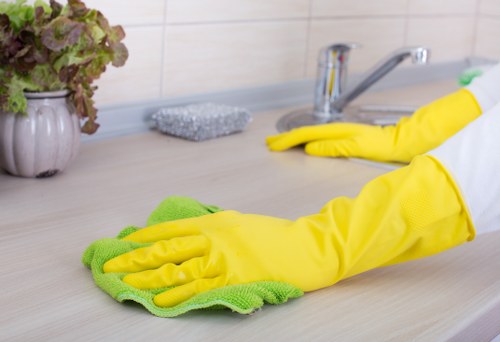
Pet accidents are more than a visible mess. When a stain is left untreated, it begins to break down into compounds that release strong, persistent odours. Urine, in particular, contains ammonia, bacteria, and proteins that can bond with fabric fibers and porous surfaces. That is why pet stain odour removal in carpets and upholstery often requires more than soap and water.
The longer the stain remains, the deeper the odour can travel. Moisture may soak through carpet padding, underlay, wood flooring seams, or even into the subfloor. In these cases, the smell may return after cleaning because the source was never fully removed. This is especially true if heat, humidity, or repeated accidents are involved.
Understanding the source is the first step to effective cleaning. Pet stain odour removal in any room depends on identifying whether the problem is fresh, set-in, or hidden below the surface. Once you know the extent of the contamination, you can choose the right treatment instead of relying on temporary masking sprays.
Common areas affected by pet stains
- Carpets and rugs
- Upholstered furniture
- Mattresses and pet beds
- Wood floors and laminate
- Grout and tile cracks
- Baseboards and wall edges
Immediate Steps for Fresh Accidents
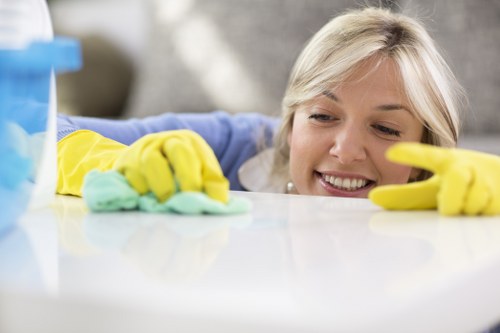
Fast action can make a major difference in pet stain odour removal in the home. If the accident is fresh, the goal is to absorb as much liquid as possible before it spreads. Use paper towels, microfiber cloths, or absorbent pads to blot the area gently. Avoid rubbing, as this pushes the stain deeper into the fibers.
After blotting, apply a cleaning solution suitable for the surface. For many washable materials, a mixture of water and mild detergent may help lift the residue. For urine stains, an enzymatic cleaner is often the best option because it breaks down the organic compounds responsible for the smell rather than simply covering them up.
Speed matters. The sooner you begin pet stain odour removal in the affected area, the better your chances of preventing permanent damage. If the accident is on carpet or fabric, press a towel into the area with firm pressure, then repeat with a clean towel until moisture is reduced. This reduces the chance of the stain penetrating deeper layers.
What not to do after a pet accident
- Do not use hot water on urine stains, as heat can set the odour.
- Do not scrub aggressively, which can spread the stain.
- Do not use strong scented sprays to mask the issue.
- Do not ignore hidden moisture in padding or seams.
Best Cleaning Solutions for Pet Stain Odour Removal
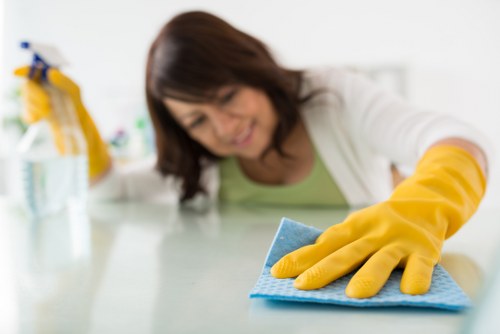
There are several approaches to pet stain odour removal in homes, and the most effective one depends on the material and the age of the stain. A solution that works on tile may not be suitable for wool carpet, and what works on a fabric sofa may not be ideal for hardwood. Choosing the right cleaner matters for both results and surface safety.
Enzymatic cleaners are among the most recommended options because they target the organic matter in pet accidents. These cleaners contain beneficial enzymes and bacteria that digest the proteins and ammonia compounds causing the smell. They are particularly useful for urine, feces, and vomit stains.
For surface-specific issues, you may also use vinegar-based solutions, baking soda, hydrogen peroxide blends, or professional-grade extraction treatments. However, always test a cleaner in a small hidden area first. Pet stain odour removal in delicate fabrics requires caution to avoid discoloration or damage.
Popular cleaning methods
- Enzymatic cleaner for urine and organic stains
- Baking soda for odor absorption after cleaning
- White vinegar solution for mild surface deodorizing
- Steam extraction for deep carpet contamination
- Professional deep cleaning for set-in or large stains
When natural methods help
Natural cleaning methods can support pet stain odour removal in light cases, especially when the accident is small and fresh. Baking soda can help absorb residual moisture and odour, while vinegar can neutralize some smell-causing compounds. Still, these methods may not fully solve deeper problems in padding, upholstery, or wood seams.
Pet Stain Odour Removal in Carpet and Rugs
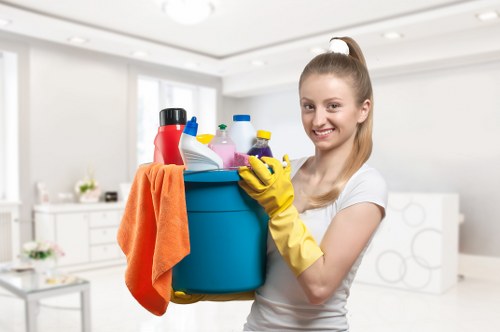
Carpets are one of the most common places where pet accidents occur, and they are also one of the hardest surfaces to clean thoroughly. Pet stain odour removal in carpet needs both stain treatment and deep odor neutralization. If only the surface is cleaned, the smell may return whenever humidity rises or the carpet is walked on.
Start by blotting the stain and applying an enzymatic cleaner generously enough to reach the fibers and the backing. Allow it to sit for the recommended time so the enzymes can break down the organic residue. In many cases, the cleaner must penetrate beyond the visible stain to reach hidden contamination below the surface.
After treatment, use a wet vacuum or clean cloth to remove excess moisture. Then sprinkle baking soda over the area once it is damp but not soaked. Let it sit until fully dry, then vacuum thoroughly. This layered approach is often more effective than a single quick cleaning.
Deep-set carpet smell solutions
- Use a blacklight to locate older urine spots
- Apply cleaner beyond the visible stain edges
- Repeat treatment if odour persists after drying
- Consider hot water extraction for heavy contamination
- Replace padding if the smell has penetrated deeply
Tip for rugs
If the rug is washable, check the care label before treatment. Some rugs can be cleaned at home, while others may require specialist attention to prevent fiber damage or dye bleeding. Pet stain odour removal in rugs is often easier when the stain is addressed immediately.
How to Remove Pet Odours from Upholstery and Soft Furnishings
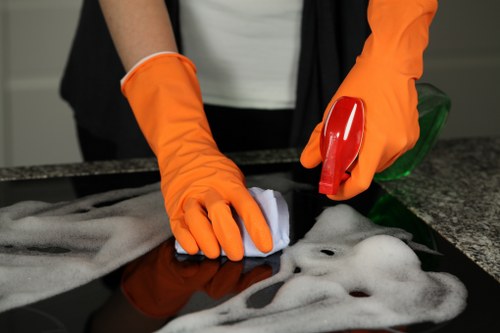
Furniture presents a different challenge because liquids can be absorbed quickly into cushions, seams, and internal stuffing. Pet stain odour removal in upholstered items should begin by identifying the fabric type and cleaning instructions. Some furniture covers can be removed and washed, while others must be cleaned in place.
Use a microfiber cloth to blot the stain as much as possible. Then apply an appropriate cleaner sparingly to avoid over-wetting. Too much liquid can drive the smell deeper into the cushion foam, which makes the problem worse. For persistent odours, a fabric-safe enzymatic solution is usually the best starting point.
Allow the upholstery to dry completely in a well-ventilated area. Fans, open windows, and dehumidifiers can speed up the process. If the smell remains, the contamination may have reached the internal padding. In that case, professional pet stain odour removal in upholstery may be necessary to fully restore the item.
Best practices for furniture cleaning
- Always test cleaners on hidden fabric first
- Avoid soaking cushions
- Use a wet/dry vacuum if possible
- Neutralize odours before adding any fragrance
- Dry items thoroughly to prevent mildew
Pet Stain Odour Removal in Hardwood, Laminate, and Tile
Hard surfaces may appear easier to clean, but they can still trap odours in seams, cracks, grout lines, and unfinished wood. Pet stain odour removal in hardwood requires special care because water and harsh chemicals can damage the finish. If urine seeps between boards, the smell may linger long after the visible mess is gone.
For sealed hardwood and laminate, use a lightly damp cloth with a pet-safe cleaner. Avoid saturation and do not allow liquid to pool on the surface. For tile and grout, apply a targeted cleaner with a soft brush, working into the grout lines where residue may be trapped. A steam-cleaning method may help in certain cases, but only if the flooring material is suitable.
Odour in hard flooring often means the issue is below the surface. If the smell persists after cleaning, urine may have reached the underlayment or subfloor. In such cases, pet stain odour removal in the room may require lifting flooring sections or sealing the affected area to prevent the smell from returning.
Signs the smell is deeper than the surface
- Odour returns after the floor dries
- Smell becomes stronger in warm or humid weather
- Cleaner removes the stain but not the scent
- One area smells worse when stepped on
Why Air Fresheners Are Not Enough
Many people try to solve pet stain odour removal in the home with sprays, candles, plug-ins, or scented diffusers. While these products may temporarily improve the smell, they rarely eliminate the source. In fact, mixing strong fragrances with pet odours can create an even more unpleasant result.
Air fresheners work by masking, not neutralizing. If the stain is still present, the smell will return. That is why long-term pet stain odour removal in any area should focus on deep cleaning, moisture extraction, and odor-neutralizing treatments. A clean surface is the foundation; fragrance should never be the primary solution.
For best results, always remove the stain first, eliminate moisture second, and only then improve the room’s scent naturally.
Better ways to freshen the space
- Improve ventilation with open windows
- Use a dehumidifier in humid rooms
- Wash pet bedding regularly
- Vacuum carpets with a HEPA-filter vacuum
- Clean litter areas and feeding zones often
Preventing Future Pet Stains and Odours
Prevention is one of the smartest ways to reduce the need for repeated pet stain odour removal in the future. If accidents are common, consider whether your pet needs more frequent outdoor breaks, better litter box maintenance, or a veterinary checkup. Sometimes behavioural changes can signal an underlying health issue.
Use washable covers on sofas and pet beds, place mats in feeding areas, and keep cleaning products ready for quick response. Training consistency also matters. Pets respond well to predictable routines, which can reduce indoor accidents over time. The less often stains occur, the easier it is to maintain a fresh-smelling home.
Routine maintenance makes a noticeable difference. Regular vacuuming, deep cleaning, and laundering of soft items help prevent odours from building up. Pet stain odour removal in a busy household becomes much easier when you stay ahead of the problem rather than waiting until a smell becomes obvious.
Helpful prevention habits
- Clean accidents immediately
- Wash pet bedding weekly
- Trim pet nails to reduce fabric snagging
- Use enzyme cleaner at the first sign of odour
- Schedule regular carpet and upholstery cleaning
When Professional Pet Stain Odour Removal Is the Best Choice
Sometimes home cleaning methods are not enough. If a stain is old, large, or located in a difficult area, professional pet stain odour removal in the affected room may be the most effective option. Professionals use specialized tools, high-powered extraction systems, moisture detection equipment, and targeted odor treatments that go beyond typical household products.
This can be especially useful when the odour is embedded in carpet padding, subflooring, drywall, or furniture foam. Professionals can inspect the issue more thoroughly and identify the full extent of contamination. In many cases, this approach saves time and helps prevent repeated cleaning attempts that still leave the smell behind.
Professional intervention can also be valuable when multiple accidents have occurred in the same area or when sensitive materials are involved. If you’ve tried several methods and the odour keeps coming back, it may be time to book your service now and get a proper assessment.
Benefits of professional cleaning
- Deep extraction of hidden contamination
- Access to commercial-grade enzymatic treatments
- Better results for large or recurring stains
- Reduced risk of damage to flooring or fabric
- Faster restoration of a fresh indoor environment
When to act quickly
If the smell is spreading, if it has affected multiple rooms, or if moldy or sour odours are present, do not delay. Quick action improves the outcome and helps protect your home from long-term damage. Contact us today to take the next step toward a cleaner, fresher space.
Creating a Cleaner, Fresher Home Environment
Successful pet stain odour removal in the home is about more than removing a single accident. It is about creating a routine that keeps your living space clean, comfortable, and welcoming for everyone. Pets are part of the family, and with the right habits, you can enjoy their company without constantly worrying about persistent smells.
The key is to combine fast response, proper cleaning products, and regular maintenance. Use enzymatic cleaners for organic stains, dry surfaces thoroughly, and address hidden contamination before it spreads. Pay special attention to high-risk zones such as carpets, upholstery, pet beds, and entryways.
Consistency is what delivers results. Once you develop a reliable cleaning routine, pet stain odour removal in the home becomes far less stressful. A clean home is not about perfection; it is about staying ahead of problems and treating them correctly when they happen.
Simple long-term home care checklist
- Inspect common accident areas weekly
- Keep enzymatic cleaner on hand
- Use washable or protected surfaces where possible
- Refresh rugs, cushions, and pet beds regularly
- Seek expert help for deep or recurring smells
Whether you are dealing with a recent accident or an odour that has lingered for months, the right plan can make a major difference. Pet stain odour removal in homes is absolutely manageable when you combine prompt action, proper tools, and preventive care. If you want a cleaner space and better peace of mind, contact us today or book your service now to take the next step toward a fresher home.