Stain Removal in Everyday Life: Practical Methods for Cleaner Fabrics, Surfaces, and Upholstery
Stain removal is one of those household skills that saves time, money, and frustration. Whether you are dealing with a fresh coffee spill on a shirt, grease on a kitchen counter, mud on a carpet, or ink on upholstery, knowing the right stain removal approach can make all the difference. The key is to act quickly, choose the right cleaning method, and avoid making the stain worse with harsh scrubbing or the wrong product. Effective stain removal is not just about appearance; it also helps preserve fabric quality, protect surfaces, and extend the life of the items you use every day.
Many people assume stain removal is complicated, but most stains can be managed with simple techniques and common household ingredients. Water, mild soap, vinegar, baking soda, hydrogen peroxide, enzyme cleaners, and specialized laundry treatments are often enough to handle many types of marks. The real secret is understanding the stain itself. Different stains behave differently, and stain removal works best when matched to the source of the spill. Grease, protein-based stains, tannins, dyes, and rust each need their own treatment.
In this article, we will look at practical stain removal methods for clothing, upholstery, carpets, and hard surfaces. You will also learn how to treat specific stains, what mistakes to avoid, and how to build a reliable stain removal routine at home. If you want cleaner fabrics and less stress after accidents happen, this article will give you the tools to respond with confidence.
Why Stain Removal Matters More Than Most People Think
Stain removal is not only about keeping things looking neat. A stain left untreated can become permanent, especially if it sets into fibers or dries on porous surfaces. Once a stain bonds with fabric, the removal process becomes harder and may require stronger products or repeated treatments. Fast action is one of the most important rules in stain removal because it prevents the stain from soaking deeper into the material.
Another reason stain removal matters is hygiene. Food stains, sweat, body oils, pet accidents, and mold-related discoloration may lead to odors or create conditions where bacteria thrive. In homes with children, pets, or heavy foot traffic, regular stain removal helps maintain a cleaner and healthier environment. It also keeps clothes, furniture, and flooring looking fresh for longer.
There is also a financial benefit. Replacing upholstery, carpet, or clothing because of a stain can be expensive. Smart stain removal often restores the item without needing professional replacement. In many cases, the right treatment applied early can save a favorite shirt, a rug, or a sofa cushion from being permanently damaged.
Understanding the Type of Stain Before You Treat It
Successful stain removal starts with identification. A stain from oil is not treated the same way as a stain from wine or blood. The wrong approach can spread the stain or fix it into the material. Knowing the stain type helps you choose the safest and most effective cleaner.
Common stain categories include grease-based stains, protein stains, tannin stains, dye stains, and mineral stains. Grease stains come from cooking oil, butter, makeup, and lotion. Protein stains include blood, egg, milk, and sweat. Tannin stains often come from coffee, tea, juice, and wine. Dye stains may come from colored beverages, markers, and ink. Mineral stains often involve rust or hard water.
Before using any product, check the care label on clothing or the manufacturer’s instructions for upholstery and carpet. Some fabrics, such as silk, wool, or delicate synthetics, require special handling. When in doubt, test your stain removal solution on a hidden area first. This simple step can prevent fading, shrinking, or texture changes.
Stain Removal Basics That Work for Most Situations
Although every stain is different, several basic stain removal principles apply across many situations. The first is to blot, not rub. Rubbing pushes the stain deeper into the fibers and can damage the material. Blotting lifts excess liquid and reduces spread. Use a clean white cloth or paper towel so you do not transfer color to the stained area.
The second rule is to work from the outside of the stain inward. This prevents the stain from spreading across a larger surface. A gentle, targeted cleaning method is usually better than aggressive scrubbing. In stain removal, patience often works better than force.
The third principle is to use cool or lukewarm water when appropriate. Hot water can set certain stains, especially protein-based ones like blood or egg. It is tempting to use heat because it feels like a stronger cleaner, but in stain removal, temperature matters. Many stains respond best to careful pre-treatment followed by a normal wash or rinse.
Stain Removal for Clothing and Laundry
Clothing stains are among the most common household issues. Coffee on a shirt, sauce on a sleeve, grass on pants, and deodorant marks on dark fabric are all typical examples. Laundry stain removal often begins before the item goes into the washing machine. Pre-treating the area increases the chance of complete stain removal and reduces the risk of a set-in mark remaining after washing.
For fresh stains, remove any excess material first. For example, scrape off sauce with a spoon or blot up liquid with a cloth. Apply a small amount of liquid detergent directly to the stain and let it sit for a few minutes. For more difficult stains, a stain remover spray or soak may be helpful. If the stain is still visible after washing, avoid putting the item in the dryer because heat can make stain removal much harder later.
Some fabrics require extra caution. Delicate fabrics should be treated gently, while white cotton may tolerate stronger stain removal methods. Always read care labels and consider the fabric content before using bleach or peroxide. A safer and more controlled approach usually gives better long-term results.
Common Laundry Stains and How to Treat Them
- Coffee and tea: Rinse with cold water and pre-treat with liquid detergent or a mild stain remover.
- Grease and oil: Apply dish soap to break down the oil before washing.
- Blood: Use cold water only, then treat with enzyme detergent or hydrogen peroxide on suitable fabrics.
- Ink: Dab with rubbing alcohol or a specialized ink remover, then wash carefully.
- Grass: Pre-treat with detergent or an enzyme product before laundering.
Stain Removal for Upholstery and Furniture
Upholstery stain removal requires a gentle touch because sofas, chairs, and cushions often contain sensitive fabrics and padding. Too much liquid can soak into the furniture and create odors or water rings. When a spill happens, blot quickly and avoid saturating the material. If possible, use a small amount of cleaner rather than pouring solution onto the surface.
For water-safe upholstery, a mild soap solution can work well for many common marks. Mix a few drops of gentle dish soap with cool water, dampen a cloth, and blot the stained area. Follow with a clean damp cloth to remove residue. For grease spots, a little cornstarch or baking soda may help absorb the oil before cleaning. This is a useful part of stain removal because it lifts the stain before it has time to settle deep into the fabric.
Always check the manufacturer’s cleaning code if one is available. Some furniture is labeled with codes that indicate whether water-based, solvent-based, or professional cleaning is recommended. Using the wrong stain removal product can damage upholstery or leave a larger mark than the original spill.
Helpful Tips for Upholstery Care
- Blot immediately after a spill.
- Use minimal moisture to avoid soaking the padding.
- Test cleaners in a hidden spot before full application.
- Dry the area with good air circulation after cleaning.
- Repeat stain removal steps gently if the mark remains.
Stain Removal for Carpets, Rugs, and Floor Covers
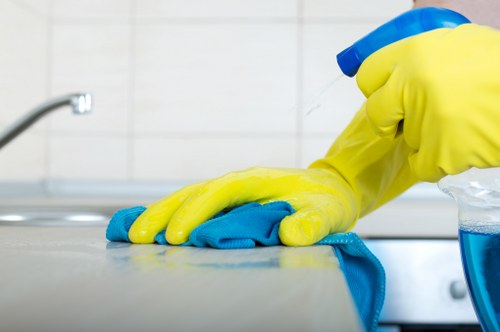
Carpet stain removal is a common concern because rugs and floor coverings often face heavy traffic, spills, pet accidents, and tracked-in dirt. The best carpet stain removal method begins with immediate blotting. Press a clean cloth onto the stain to absorb as much as possible before applying any cleaner. Avoid scrubbing, since that can damage carpet fibers and cause the stain to spread.
For many stains, a mixture of mild detergent and water is enough. Apply it sparingly, blot repeatedly, and then rinse by blotting with clean water. For tougher spots, baking soda can help absorb moisture and reduce odor. If the stain is oily, a dry absorbent powder may be useful before using liquid cleaners. Carpet stain removal works best when you keep the treatment localized and dry the area thoroughly afterward.
Rugs can vary greatly in material, from synthetic fibers to wool or natural blends. Wool rugs and delicate materials often need special care. When stain removal is uncertain, a professional cleaner may be the safer option, especially for valuable or antique rugs. Still, many everyday rug stains respond well to gentle home methods.
Stain Removal by Stain Type: What Works Best
Because stain removal depends on the source of the stain, it helps to know which products are most effective for each category. The following stain removal strategies are widely used and can be adapted depending on the material. Always check fabric care instructions first and avoid mixing chemicals unless the product label specifically allows it.
Grease and Oil Stain Removal
Grease stains are among the most stubborn because oil repels water. Dish soap is often effective because it is designed to cut through grease. Apply a small amount directly to the stain, work it gently with your fingers or a soft brush, and let it sit for several minutes before washing. For non-washable surfaces, absorb the excess first with baking soda, cornstarch, or talc before cleaning.
Protein Stain Removal
Protein stains like blood, egg, and dairy should be treated with cold water. Hot water can cook the stain into the fabric, making stain removal far more difficult. Enzyme-based cleaners are especially useful because they break down organic matter. For blood on washable fabric, rinse under cold water first, then pre-treat and wash as usual.
Tannin Stain Removal
Tea, coffee, wine, and fruit juice contain tannins, which can leave strong discoloration. Blot immediately and rinse with cool water if possible. Mild detergent, white vinegar diluted with water, or commercial stain removers may help. The sooner you begin stain removal, the better the result. Dry stains may need repeated treatment.
Ink and Dye Stain Removal
Ink stains can be challenging because the pigment is designed to adhere strongly. Place a towel under the stained area if treating clothing so the ink does not transfer to the other side. Dab with rubbing alcohol or another appropriate solvent, then blot until the stain begins to fade. Do not rub aggressively. Some dye stains may need specialized stain removal products made for markers or colored liquids.
Rust and Mineral Stain Removal
Rust stains require caution because acidic removers can damage delicate materials. Products formulated specifically for rust stain removal are usually the safest choice. Never use bleach on rust stains, as it may worsen the discoloration. For hard water or mineral deposits on sinks and tiles, a vinegar solution can help dissolve buildup if the surface is compatible with acid-based cleaning.
Natural Stain Removal Options at Home
Many people prefer natural stain removal methods for everyday cleaning. Baking soda, vinegar, lemon juice, and salt are popular because they are inexpensive and easy to find. While these ingredients are not suitable for every stain, they can be effective for a wide range of minor marks. Baking soda can absorb odors and loosen residue, while vinegar can help break down some tannin stains and soap buildup.
Natural stain removal works best when used carefully and with realistic expectations. For example, vinegar should not be used on stone surfaces like marble because it can etch the finish. Lemon juice may help with some discoloration but can also lighten fabrics or surfaces if left too long. The goal is to use natural cleaning methods as part of a balanced stain removal approach, not as a one-size-fits-all solution.
When using natural products, test in a small hidden area, use proper dilution, and rinse well after treatment. A thoughtful method is usually safer than applying strong mixtures and hoping for the best. In many homes, natural stain removal products are helpful for routine cleaning and quick response to common spills.
Practical Stain Removal Do's and Don'ts
Here are some useful habits that improve stain removal results and reduce the risk of damage:
- Do act quickly after a spill.
- Do blot before applying cleaner.
- Do check care labels and cleaning codes.
- Do test on an unseen area first.
- Don't rub stains aggressively.
- Don't use heat until the stain is gone.
- Don't mix multiple cleaners unless approved.
- Don't ignore the type of fabric or surface.
Best Practices for Long-Term Stain Prevention
Prevention is a powerful companion to stain removal. Using protective sprays on upholstery, sealing porous surfaces when appropriate, and wiping spills promptly can reduce the number of stubborn stains you face. In kitchens and dining areas, placing mats or washable coverings in high-risk spots can also help. For clothing, treating collars and cuffs regularly can keep body oils from building up over time.
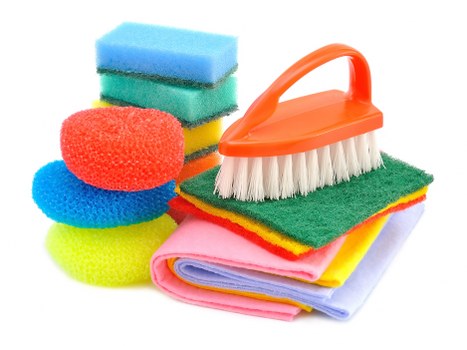
It also helps to keep a small stain removal kit at home. A kit might include a stain remover spray, liquid detergent, white cloths, a soft brush, baking soda, and a small bottle of rubbing alcohol. With these basic supplies ready, you can respond quickly and improve your chances of full stain removal. Speed is often the deciding factor between a temporary spill and a permanent mark.
When Professional Stain Removal Makes Sense
Even the best home methods cannot solve every problem. Some stains are too large, too old, or too embedded in the material for safe DIY treatment. Professional stain removal may be the right choice for silk garments, antique rugs, delicate upholstery, large carpet areas, or stains caused by unknown substances. If the item is valuable or sentimental, expert help can prevent accidental damage.
Professional cleaners often have stronger equipment and specialized solutions that are not available for household use. They can assess the stain, fabric, and age of the mark before selecting a treatment. This is especially helpful when standard stain removal methods have already been tried unsuccessfully. In some cases, professional intervention can still rescue an item that seems beyond saving.
If you are unsure, consider the value of the item versus the risk of further damage. Sometimes a cautious approach is best. Calling on professional stain removal services can be a smart investment when the material is delicate or the stain is unusually stubborn.
Building a Reliable Stain Removal Routine
A strong stain removal routine reduces panic and improves results. Start by keeping a few key supplies in one place so you can reach them quickly. Learn which products are safe for fabrics, carpets, and hard surfaces in your home. Make a habit of blotting spills right away and avoiding heat until you know the stain is gone. These simple steps support better stain removal every time.
It is also helpful to set expectations based on the stain type. Fresh stains are usually easier to remove than old ones. Light stains may clear in one treatment, while older marks may need several rounds. This is normal. Consistency matters more than force in stain removal, and repeating gentle steps often works better than trying one aggressive treatment.
In the end, stain removal is a practical skill that pays off in everyday life. The more you understand the stain, the surface, and the proper cleaning method, the better your results will be. Whether you are handling clothing, carpets, upholstery, or household surfaces, a calm and informed approach can restore cleanliness and protect your belongings.
Need better results with tough spills and set-in marks? Contact us today to learn more about stain removal solutions that help protect your fabrics and surfaces. If you are ready to refresh your home and keep everyday mishaps under control, book your service now.