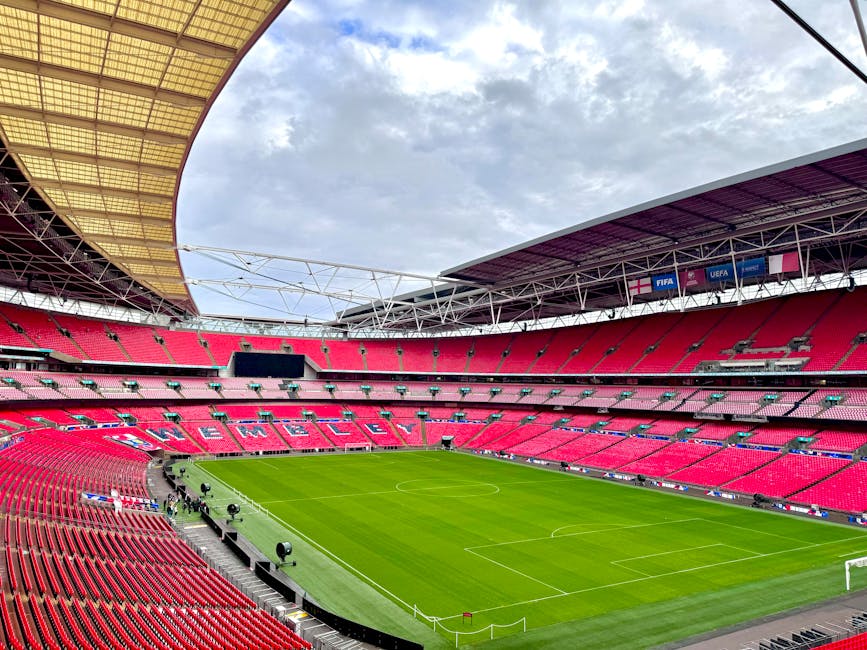
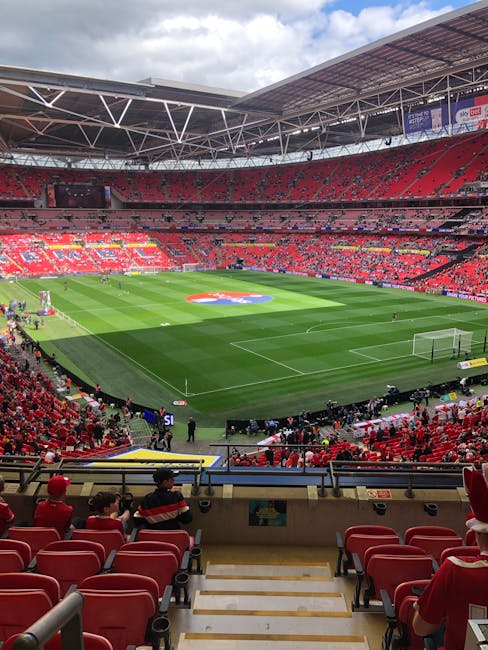
Twickenham Stadium carpet cleaning guide for match days
Match day at Twickenham has a certain atmosphere to it: heavy footfall, muddy shoes, spilled drinks, damp coats, food crumbs, and the general rush that comes with a full stadium. If you are responsible for keeping carpets clean in that environment, you already know it is not a simple tidy-up job. This Twickenham Stadium carpet cleaning guide for match days walks through what matters, how the process works, and how to stay on top of cleaning without getting in the way of crowds, staff, or the schedule. The aim is simple: cleaner carpets, fewer risks, and a smoother day for everyone.
Truth be told, match-day carpet care is as much about timing and planning as it is about cleaning technique. Miss the window, and the place can feel tired before kick-off. Get it right, and the whole venue feels sharper, fresher, and much easier to manage.
If you want a broader look at professional cleaning support for stadiums, event spaces, and busy commercial buildings, it may also help to review commercial carpet cleaning and the company's main carpet cleaning service options.
Table of Contents
- Why Twickenham Stadium carpet cleaning guide for match days matters
- How Twickenham Stadium carpet cleaning guide for match days works
- Key benefits and practical advantages
- Who this is for and when it makes sense
- Step-by-step guidance
- Expert tips for better results
- Common mistakes to avoid
- Tools, resources and recommendations
- Law, compliance, standards, or best practice
- Options, methods, or comparison table
- Case study or real-world example
- Practical checklist
- Conclusion
- Frequently asked questions
Why Twickenham Stadium carpet cleaning guide for match days Matters
Carpets in a venue like Twickenham are under pressure from the moment doors open. Thousands of shoes bring in grit, wetness, and the occasional mystery stain. Staff and guests then track that material through corridors, hospitality suites, lounges, media areas, and back-of-house routes. It builds up fast. Much faster than people expect.
That is why match-day carpet cleaning is not just about looks. It affects hygiene, slip risk, air quality, smell, and first impressions. A carpet that looks flat or dirty can make even a well-run space feel less cared for. By contrast, a properly maintained floor helps the venue feel organised and ready, even when the day gets chaotic.
There is also a practical side. Regular attention can reduce deep-soiling, extend carpet life, and make post-event restoration much easier. And if you are dealing with hospitality areas, offices, or premium seating zones, the standard has to be higher. People notice. Maybe not consciously, but they do notice.
Expert summary: On match days, the best carpet cleaning approach is usually the one that combines prevention, rapid response, and planned deep cleaning between events. In busy venues, timing matters almost as much as the method.
How Twickenham Stadium carpet cleaning guide for match days Works
In a large sports venue, carpet care usually follows three layers: preparation before the event, quick response during the event, and deeper restoration after the crowd leaves. Each layer has a job to do, and if one is ignored, the others end up carrying too much weight.
1. Pre-match preparation
This is where the real difference starts. Pre-match work focuses on removing loose debris, dealing with visible marks, checking entrances, and making sure the main traffic paths are clean and dry. If you can clear soil before the crowd arrives, the carpet holds up far better through the day.
2. Active event monitoring
During the match, the goal is not full cleaning. That would be awkward, noisy, and probably unrealistic. Instead, staff monitor problem areas and deal with small incidents quickly. A dropped drink near a hospitality corridor or mud near a mat transition can become a bigger issue within minutes.
3. Post-match recovery
Once the crowd has gone, the venue can reset properly. This may involve vacuuming, stain treatment, hot water extraction, or steam carpet cleaning where appropriate. The right method depends on the carpet type, soil load, drying window, and how quickly the area must be reopened.
For some spaces, especially waiting areas, lounges, and softer furnishings close to the carpeted zones, it can also make sense to consider upholstery cleaning so the whole room feels consistent rather than half-fresh, half-tired.
Key Benefits and Practical Advantages
Good match-day carpet cleaning is one of those things people only really notice when it goes wrong. When it goes well, everything feels easier. Here are the practical advantages that matter most.
- Cleaner first impressions: Guests, sponsors, staff, and hospitality visitors are more likely to read the venue as professional and well managed.
- Lower odour build-up: Wet coats, food residue, and heavy foot traffic can create a stale smell quickly.
- Reduced stain setting: Fresh spills are far easier to treat than marks left until the end of the day.
- Longer carpet life: Dirt is abrasive. Over time, it wears down fibres and makes carpets look older than they are.
- Safer walkways: Cleaner, drier floors can reduce the risk of guests slipping or dragging moisture through a venue.
- Better cleaning efficiency: A planned routine saves the team from doing everything in a rush after the final whistle.
There is another advantage that gets overlooked: morale. Staff working in a clean, orderly environment generally cope better with the pressure of a packed match day. Not magic, just human nature.
Who This Is For and When It Makes Sense
This guide is useful for a few different kinds of people. If you are a facilities manager, event operations lead, cleaning supervisor, or hospitality coordinator, you likely need a plan that works around peak crowd movement. If you are a commercial cleaner supporting a stadium contract, you need methods that are fast, safe, and repeatable. If you manage a premium lounge or suite, your priorities may be appearance, drying time, and noise control.
It also makes sense for anyone responsible for:
- stadium hospitality areas
- conference rooms used on event days
- media and press spaces
- corridors and entrance routes
- executive suites and lounges
- staff welfare areas with carpeted floors
You do not need a full deep clean every time the stadium hosts an event. Sometimes the sensible choice is a targeted refresh, especially if the carpets are already in decent condition. In other words: match the cleaning plan to the actual problem, not the calendar alone.
Step-by-Step Guidance
Here is a practical approach you can use for match days without overcomplicating things.
- Inspect high-traffic zones early. Focus on entrances, threshold mats, corridors, hospitality spaces, and anywhere food or drink is served.
- Remove loose soil first. Dry debris is easier to lift before it gets ground into the pile. A thorough vacuum pass is often the cheapest win.
- Spot-treat stains promptly. Use the right method for the stain type. Drinks, mud, grease, and gum all need different handling. The wrong product can set a mark instead of removing it.
- Protect the route of travel. If an area is still damp, block it off or reroute foot traffic. One careless shortcut can undo the whole effort.
- Use the right machine and solution. Heavy soiling may need extraction rather than a light surface clean. A one-size-fits-all approach is rarely ideal in a stadium.
- Prioritise drying time. In busy venues, faster drying is often a deciding factor. Fans do not want to walk through soggy corridors, and staff do not want the smell of wet carpet hanging around all evening.
- Do a final walk-through. Check for missed spots, residue, reappearing stains, and any areas that need extra ventilation.
Small note, and this matters more than it sounds: always test a product in a discreet area first if there is any doubt about fibre type or colour fastness. It saves grief. Lots of grief, actually.
Expert Tips for Better Results
A few practical habits can make a large difference on match days.
Use matting where it counts
Entrance matting is your first line of defence. If it is clean, correctly placed, and long enough to catch debris, it can reduce how much soil reaches the carpet in the first place. Short mats are a bit like a tea towel trying to mop up a flood.
Work from clean to dirty
That sounds obvious, but in a hurry people often do the opposite. Start with the best-preserved areas and move towards the worst so you do not spread contamination.
Keep a stain kit ready
A small, labelled kit for common spill types helps staff react quickly. It should be simple enough that someone with basic training can use it without hesitation.
Plan around crowd peaks
Match-day flow is predictable in broad terms. Pre-kickoff, halftime, and post-match exit periods are where the pressure spikes. Cleaning tasks should avoid those windows wherever possible.
Do not chase every mark with chemicals
Sometimes a mark looks worse than it is. Aggressive spotting can damage the pile or leave a ring. Gentle, correct treatment usually wins.
If you need a deeper stain-focused approach for stubborn marks, stain removal support can be a better fit than trying to improvise on the day.
Common Mistakes to Avoid
Match-day carpet cleaning goes wrong in fairly predictable ways. Avoiding these mistakes saves time and money.
- Cleaning too late: Once mud and spill residue have been walked in, the job becomes harder and drying takes longer.
- Using too much water: Over-wetting creates longer drying times and can leave carpets feeling flat or smelling damp.
- Skipping the vacuum stage: Wet-cleaning over dry grit simply pushes the soil deeper into the fibres.
- Ignoring traffic patterns: The same routes get hit again and again. Those are the zones that need the most attention.
- Mixing products without checking compatibility: That can cause residue, colour changes, or poor results. Not fun.
- Failing to train staff: A good system falls apart if the team does not know what to do when a spill happens.
- Assuming one method suits every carpet: Loop pile, cut pile, and blended commercial carpets can respond differently.
Let's face it, most bad carpet outcomes are not caused by dramatic disasters. They come from a series of small shortcuts taken when everyone is busy.
Tools, Resources and Recommendations
You do not need a warehouse full of gadgets, but you do need the right basics. For stadium environments, the most useful tools are usually practical rather than flashy.
| Tool or resource | Why it helps on match days | Best use case |
|---|---|---|
| Commercial vacuum cleaner | Removes dry soil before it settles into the pile | Pre-match and post-match cleaning |
| Spotting kit | Handles small spills quickly | Hospitality areas, corridors, lounges |
| Hot water extraction machine | Supports deeper cleaning and soil removal | Scheduled deep cleans between events |
| Microfibre cloths and pads | Useful for controlled spot treatment | Fresh spills and edge cleaning |
| Wet floor signs or barriers | Helps manage safety while areas dry | Anywhere damp carpet may be walked on |
| Training checklist | Keeps staff response consistent | Multi-team operations |
For carpet care that needs deeper penetration, the company's steam carpet cleaning page is useful to review, while routine upkeep can often sit alongside broader commercial carpet cleaning planning.
If your venue also handles rugs in VIP areas or decorative spaces, rug cleaning can be worth considering as part of the same maintenance cycle. A stadium can have a surprisingly mixed set of floor coverings, after all.
Law, Compliance, Standards, or Best Practice
For venue cleaning, the safest approach is to work to recognised UK best practice rather than improvising under pressure. That usually means following your own site risk assessments, COSHH-style chemical handling principles, and sensible manual handling habits. If staff are using cleaning agents, drying equipment, or corded machinery in public-facing spaces, the plan should cover safety, spill control, ventilation, and temporary access restrictions.
In a stadium setting, it is also normal to think carefully about the following:
- Health and safety: Reduce trip hazards, avoid blocking exits, and keep cleaning processes visible to staff.
- Insurance and responsibility: Make sure any contractor working in the venue has appropriate cover and a clear process for incidents.
- Environmental practice: Use the right amount of solution, avoid unnecessary waste, and choose methods that do not damage the carpet prematurely.
- Site procedures: Match the cleaning plan to venue rules, stewarding arrangements, and access windows.
If you are reviewing contractor standards, the pages on health and safety policy and insurance and safety are sensible places to start. They help set expectations before anyone sets foot on the carpet with a machine.
You may also want to check terms and conditions and recycling and sustainability if you are comparing service standards, disposal habits, or environmental commitments. It is not the glamorous part of the job, but it matters.
Options, Methods, or Comparison Table
Different cleaning methods suit different match-day pressures. Here is a simple comparison to help you choose.
| Method | Strengths | Limitations | Best for |
|---|---|---|---|
| Vacuuming | Fast, low disruption, removes loose dirt | Does not treat stains or embedded soil | Daily prep and reset work |
| Spot cleaning | Quick response, minimal downtime | Can leave marks if overused or rushed | Fresh spills and isolated stains |
| Hot water extraction | Good for deeper soil removal | Requires drying time and access planning | Scheduled deep cleans |
| Steam cleaning | Useful for restoration and sanitising-style cleaning | Needs correct fabric assessment and drying control | Heavier soil load and periodic maintenance |
In practice, most stadiums use a mix. They do not rely on one method to do everything. That is usually where the trouble starts, trying to make a single system fit a very messy reality.
Case Study or Real-World Example
Picture a hospitality corridor just before guests arrive. It is 4:45 p.m., there is already a queue building, and someone has brought in rainwater, grit, and a bit of mud on the soles of their shoes. Nothing dramatic. Just enough to become annoying.
The cleaning team notices the patch near the threshold mat, lifts the loose debris, applies a suitable spot treatment, and sets a short drying buffer before the main rush. Another staff member keeps the area monitored for the next half hour, because a single repeat crossing can spread the residue back out again. By kick-off, the carpet does not look brand new, but it does look cared for. And that is often the real goal on match days.
Later, after the crowd leaves, the same zone gets a more complete clean as part of the evening reset. That staged approach is far more effective than waiting until everything is dirty and then trying to rescue it in one go.
For spaces with softer furnishings nearby, a combined approach with sofa cleaning or curtain cleaning can help the whole hospitality area feel consistent. Small detail, big difference.
Practical Checklist
Use this checklist before, during, and after match day.
- Walk the main carpeted routes before guests arrive.
- Check entrance mats and replace any that are saturated or displaced.
- Vacuum visible soil from all high-traffic areas.
- Keep a spill response kit accessible to trained staff.
- Deal with fresh stains as soon as they appear.
- Use barriers or signs where carpet is damp.
- Confirm drying time before reopening a cleaned area.
- Do a final inspection after the event.
- Schedule deeper extraction outside peak crowd windows.
- Record recurring problem spots so they can be targeted next time.
If you maintain mixed surfaces across the venue, you may also want to pair carpet care with upholstery cleaning or even pet stain odour removal if you are dealing with accidental organic smells in back-of-house or staff areas. Not common, but it happens.
Conclusion
A good Twickenham Stadium carpet cleaning plan for match days is really a management system, not just a cleaning task. It protects appearance, supports safety, and helps the venue stay calm under pressure. The best results usually come from a mix of prevention, rapid response, and properly scheduled deep cleaning. Simple idea, but it works.
What matters most is consistency. If the team knows what to do, where to do it, and when to do it, the carpets stay in much better shape and the whole match-day experience feels smoother. And that is worth a lot when the building is full, noisy, and moving fast.
Get a free quote today and see how much you can save.
If you are comparing providers, it is sensible to learn a little about the company behind the work too. The pages on about us, pricing and quotes, payment and security, and contact us can help you decide whether the service feels like the right fit for your venue.
Frequently Asked Questions
How often should carpet cleaning happen at Twickenham Stadium on match days?
There is no single rule that fits every area. High-traffic zones may need pre-match vacuuming, spot cleaning during the event, and deeper cleaning afterwards. Lower-traffic rooms can often follow a less intensive schedule.
What is the best carpet cleaning method for a stadium?
Usually a mix of methods works best. Vacuuming handles dry soil, spot treatment deals with fresh marks, and extraction or steam-based cleaning is better for heavier soil and reset cleaning between events.
Can carpets be cleaned while fans are inside the venue?
Yes, but only in a controlled way. Full wet cleaning during crowd movement is usually impractical. Quick response spot cleaning and careful maintenance in quieter periods are more realistic.
How do you stop carpets from getting ruined by mud on match days?
Good matting, prompt vacuuming, and fast response to wet soil make the biggest difference. Once mud dries and gets walked in, it is much harder to remove cleanly.
Do stadium carpets need special products?
They often need commercial-grade products suited to the fibre type and soil level. The important thing is not to assume one product works for every stain or every carpet.
How long does carpet take to dry after cleaning?
That depends on the method used, airflow, temperature, and how much moisture was applied. In a busy venue, drying time should always be planned before an area is reopened.
What should staff do if someone spills a drink on the carpet?
Blot it quickly, do not rub aggressively, and use the correct spot treatment for the spill type. The sooner it is handled, the less likely it is to leave a lasting mark or smell.
Are steam cleaning and hot water extraction the same thing?
People use the terms loosely, but they are not always identical in practice. Both involve moisture and heat to some extent, but the exact process depends on the equipment and cleaning method used.
How do you make sure carpet cleaning does not disrupt match-day operations?
Plan around crowd peaks, isolate work zones, use clear signage, and schedule deeper work outside the busiest windows. Coordination is half the job, maybe more.
What other areas should be cleaned alongside carpets?
Depending on the venue, it can make sense to clean sofas, upholstery, rugs, or curtains in nearby hospitality spaces. That keeps the overall environment consistent rather than leaving one fresh patch next to a tired one.
How do I know if I need professional help?
If the carpet has deep staining, heavy odour, repeated spill damage, or limited drying windows, professional support is usually the safer option. It is also worth considering if the venue needs a reliable plan for repeated events.
Where can I learn more about service standards and policies?
You can review the site's pages on health and safety policy, insurance and safety, privacy policy, and complaints procedure for a clearer picture of how the business handles trust, safety, and customer care.
Match days are busy, a bit noisy, and never quite as tidy as the schedule suggests. But with the right carpet cleaning routine, that does not have to mean chaos underfoot.